Terrazzo Flooring vs Hardwood Flooring: Which Material Offers Better Durability?

When choosing flooring for your home, durability is often a top consideration. Both terrazzo and hardwood offer unique benefits, but understanding which material stands the test of time can be crucial for your decision-making process. In this article, we will delve into the characteristics and composition of both terrazzo and hardwood flooring, compare their durability, and explore maintenance requirements to help you make an informed choice. Whether you’re renovating a kitchen or designing a new living room, selecting the right flooring material can significantly impact the longevity and value of your home.
Terrazzo Flooring: Characteristics and Composition
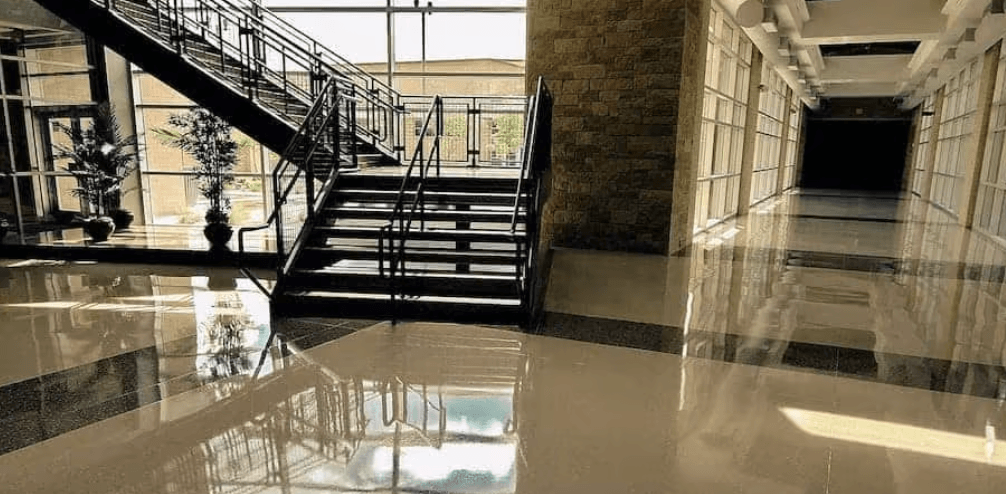
Terrazzo Flooring is known for its durability and unique aesthetic appeal. Composed of chips of marble, quartz, granite, or glass set in a cementitious binder, terrazzo is poured in place or precast as tiles. This composition not only contributes to its robust nature but also allows for a vast range of design possibilities, aligning with modern design-build projects. Terrazzo is especially popular in areas that experience heavy foot traffic due to its resistance to wear and tear.
An interesting facet of terrazzo is its low Volatile Organic Compounds (VOC) emissions, making it an environmentally friendly choice that contributes to indoor air quality. Additionally, it is highly compatible with underfloor heating systems due to its excellent thermal conductivity, which can be a significant advantage in energy-efficient homes. To explore various design options, Terrazzo Flooring provides extensive possibilities that cater to both aesthetic and functional needs.
Hardwood Flooring: Characteristics and Composition
Hardwood flooring exudes a classic and timeless appeal, often associated with luxury and warmth. Made from solid wood species such as oak, maple, or cherry, hardwood floors are valued for their natural beauty and the ability to be sanded and refinished multiple times. This characteristic can extend the life of the flooring significantly, making it a popular choice for residential settings.
However, hardwood is susceptible to damage from moisture and humidity, which can lead to warping or swelling. To mitigate these risks, proper installation and the inclusion of a moisture barrier are necessary. Additionally, the R-value, which measures insulation effectiveness, is relatively low for hardwood, meaning it might not insulate as well as other flooring materials. Despite these considerations, the elegance and warmth of hardwood can enhance the ambiance of any space, making it a favored choice for interior design enthusiasts.
Durability Comparison: Terrazzo vs Hardwood
When comparing durability, terrazzo often outperforms hardwood in terms of resistance to physical wear and environmental factors. Terrazzo’s composite nature makes it highly resilient to scratches, stains, and impacts, making it suitable for high-traffic commercial spaces as well as homes. Its ability to withstand heavy loads without damage is a testament to its durability, positioning it as a leading choice for long-term flooring solutions.
Conversely, while hardwood can last for decades with proper care, it is more vulnerable to surface scratches and dents. Regular maintenance, including refinishing, is required to maintain its appearance and integrity. However, hardwood’s ability to be refinished multiple times can prolong its lifespan, offering a unique advantage in terms of aesthetic renewal and value retention. Recent reports from Architectural Digest highlight emerging trends in wood flooring, emphasizing the timeless appeal of hardwood despite its maintenance needs.
Maintenance and Longevity: Making the Right Choice
Maintenance plays a pivotal role in the longevity of both terrazzo and hardwood flooring. Terrazzo requires minimal upkeep, primarily involving regular cleaning and occasional resealing to maintain its polished look. Its resistance to mold and mildew is an added benefit that simplifies maintenance. In contrast, hardwood demands more frequent attention, including cleaning, refinishing, and protection from moisture to prevent damage.
For homeowners prioritizing minimal maintenance and maximum durability, terrazzo may be the preferred option. However, for those who appreciate the natural beauty and warmth of wood, hardwood remains a viable choice, albeit with a greater commitment to upkeep. Ultimately, the decision hinges on balancing aesthetic preferences with practical considerations such as lifestyle and budget constraints.
Conclusion
Both terrazzo and hardwood flooring offer distinct advantages, but when it comes to durability, terrazzo often takes the lead due to its robust composition and low maintenance requirements. For those seeking a flooring option that withstands the test of time while offering design flexibility, terrazzo is an excellent choice. However, if the classic appeal of wood is your priority, hardwood provides a timeless elegance that can be maintained for years with proper care. Selecting the right flooring material ensures not only the longevity of your investment but also the enhancement of your home’s overall aesthetic and functional appeal.